
Digestion and GI
Poor Appetite in Children
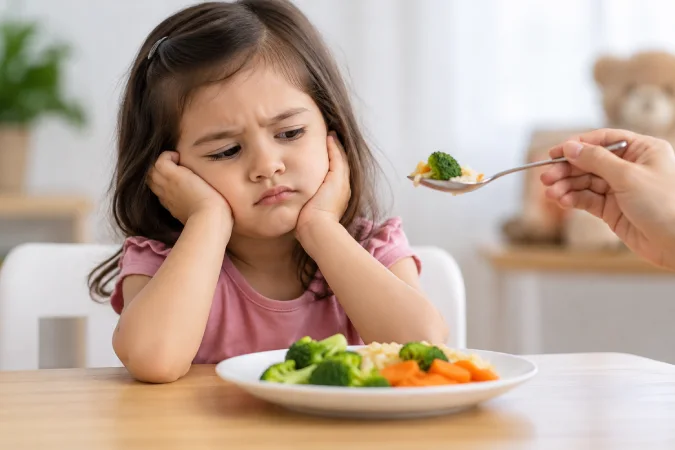
Poor appetite is one of the most common concerns parents raise — a child who refuses meals, eats very little, or shows no real interest in food. It can follow a recent illness or course of antibiotics, stem from emotional factors like a new sibling or starting school, reflect a natural slower-growth phase, or point to an underlying digestive imbalance such as low-grade acidity or worm infestation.
What we do at Dr. Mansi Child Care Clinic
- Take a detailed case history covering the child’s eating pattern, food preferences and aversions, digestion, sleep, and emotional state
- Rule out underlying causes like worm infestation or acidity that may be silently suppressing appetite
- Prescribe an individualised constitutional remedy rather than a generic “appetite booster”
- Guide parents on meal timing, portion sizes, and reducing between-meal snacking
- Follow up to track appetite, energy, and growth over time
How Homeopathy Helps
Homeopathic treatment doesn’t force or artificially stimulate hunger — it works to correct the underlying disturbance so appetite returns naturally. Because remedies are chosen for the whole child, not just the symptom, two children with poor appetite may need entirely different remedies. Most parents notice a gradual, lasting shift within a few weeks — a child who genuinely asks for food again, rather than a temporary spike followed by the same old pattern.
Constipation in Children
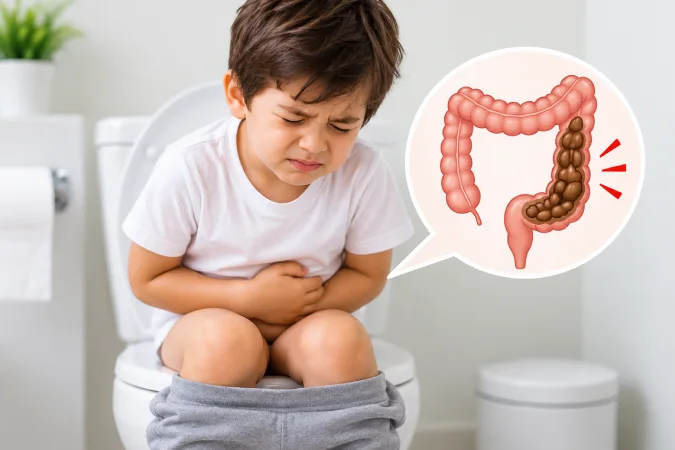
Constipation is extremely common in children, yet often under-discussed. It shows up as hard or infrequent stools, straining, abdominal discomfort, or a child holding back from using the bathroom due to pain — which quickly becomes a self-perpetuating cycle. Causes range from low fiber and water intake to toilet-training struggles, a change in routine, or travel-related stress.
What we do at Dr. Mansi Child Care Clinic
- Identify the exact character of the constipation — stool consistency, straining pattern, and any emotional or situational triggers
- Prescribe remedies matched to the child’s specific presentation, not a one-size-fits-all laxative approach
- Provide practical dietary guidance — fiber-rich foods, adequate water intake, age-appropriate portions
- Help parents establish a calm, consistent toilet routine to break the withholding cycle
- Monitor progress and adjust guidance as bowel patterns normalise
How Homeopathy Helps
Rather than forcing a single bowel movement the way a laxative does, homeopathic remedies aim to restore the digestive system’s own natural rhythm. Combined with dietary and routine changes, this approach typically brings steady, cumulative improvement — softer, more regular stools and a child who is no longer anxious about using the bathroom.
Acidity and Reflux in Children
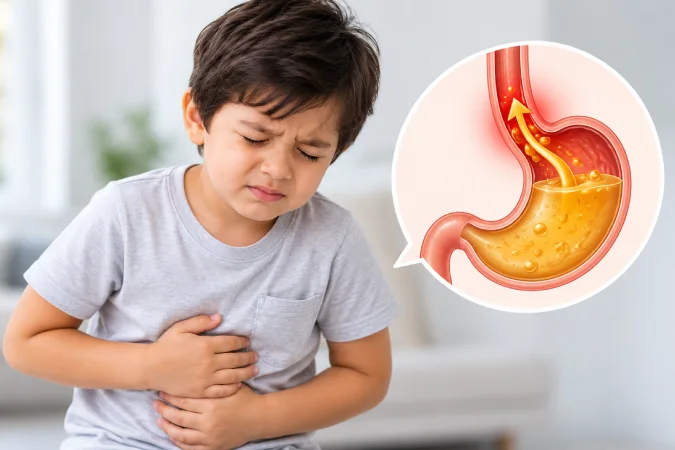
Acidity and reflux aren’t just adult problems. In infants, reflux often shows up as frequent spit-up, fussiness during feeds, or disrupted sleep. In older children, it presents as a burning sensation, a sour taste, bloating after meals, or sometimes an unexplained chronic cough. Triggers include an immature digestive system in infants, and irregular eating, spicy or fried food, or stress in older children.
What we do at Dr. Mansi Child Care Clinic
- Assess the pattern of symptoms — timing, trigger foods, and whether discomfort worsens lying down or after specific meals
- Prescribe remedies suited to the child’s individual digestive picture, for both infants and older children
- Advise on feeding positions and feed sizing for infants
- Help identify and reduce specific trigger foods for older children
- Guide meal spacing and timing relative to bedtime to reduce nighttime symptoms
How Homeopathy Helps
Unlike antacids, which offer only temporary relief and can affect natural digestion with prolonged use, homeopathy works to correct the digestive imbalance causing the acidity in the first place. Over time, this reduces both the frequency and intensity of symptoms, improves sleep, and lessens dependence on symptom-masking medication.
Loose Motions and Diarrhoea in Children
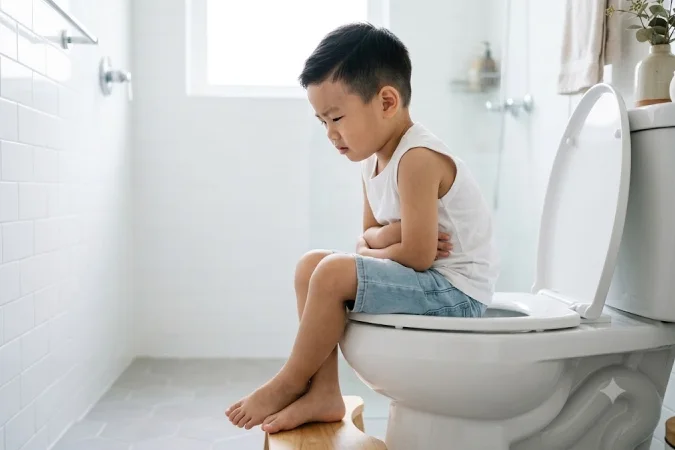
Most episodes of loose motions resolve within a few days, but recurrent or prolonged diarrhoea can affect a child’s comfort, hydration, and nutrition. Common causes include viral or bacterial infection, contaminated food or water, dietary indiscretion while travelling, antibiotic-related gut disturbance, or, in recurring cases, food intolerance or intestinal parasites.
What we do at Dr. Mansi Child Care Clinic
- Assess stool consistency, frequency, and accompanying symptoms like cramping or urgency
- Check hydration status and prioritize fluid and electrolyte guidance where needed
- Prescribe remedies matched to the specific trigger and presentation, especially for recurrent cases
- Advise on easily digestible foods during recovery and safe reintroduction of regular food
- Guide families on hygiene practices to reduce repeat episodes
How Homeopathy Helps
Homeopathic remedies are selected for the precise nature of each episode, which often brings faster resolution than generic anti-diarrhoeal measures while also addressing why the episode occurred. For children with a pattern of recurrent loose motions, this targeted approach — paired with hygiene and dietary guidance — helps break the cycle rather than just managing each episode as it comes.
Worm Infestations in Children
Worm infestations are extremely common, especially in school-going and daycare-attending children, and often go unrecognised because symptoms can be subtle. Signs include abdominal pain around the navel, an itchy bottom (especially at night), disturbed sleep or teeth grinding, irritability, appetite changes, and sometimes visible weight loss or slowed growth in longer-standing cases.

What we do at Dr. Mansi Child Care Clinic
- Identify worm infestation through symptom pattern, even when not immediately obvious to parents
- Prescribe remedies addressing both the current infestation and the child’s underlying digestive resilience
- Guide families on hygiene habits — handwashing, nail care, and safe food and water practices
- Address habits like nail-biting and thumb-sucking that increase risk of reinfection
- Recommend treatment and hygiene measures for the whole household where needed, since infestations spread easily within families
How Homeopathy Helps
Homeopathic treatment targets both the immediate infestation and the digestive weakness that makes a child prone to repeat infections, rather than offering only a one-time deworming effect. Combined with consistent hygiene practices at home, this reduces recurrence significantly, leading to better sleep, steadier appetite, and improved growth over time.